

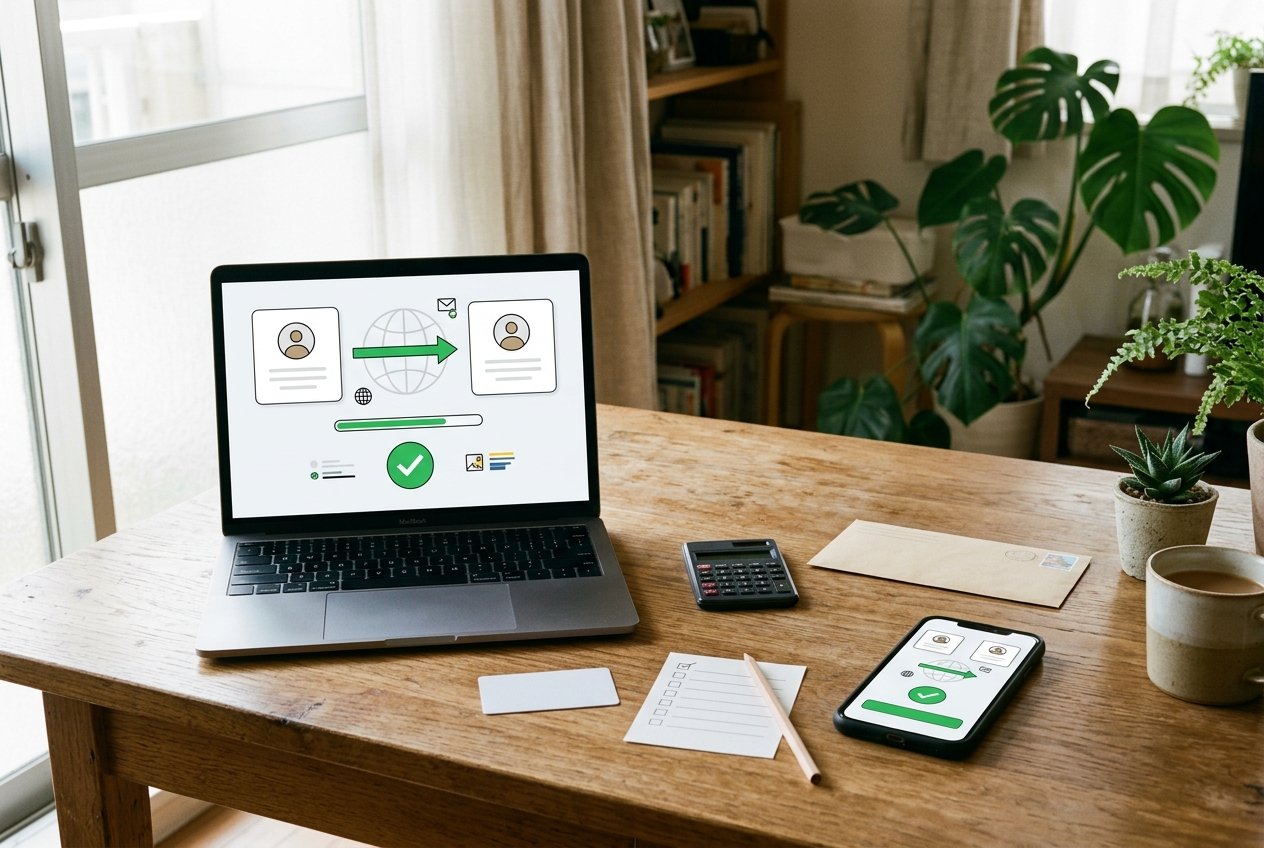
1. Bank Transfers vs. Licensed Digital Transfer Providers
Foreign residents sending money to or from Japan can review traditional bank transfers as well as licensed digital fund transfer providers. Options, transaction limits, fees, exchange-rate margins, required recipient details, and processing times vary by provider, destination country, currency, transfer amount, and receiving account type. For Japan-based fund transfer services, readers should verify current registration in the Financial Services Agency (FSA) registry list. Service providers in other jurisdictions may be regulated by their respective local authorities.
2. Understanding Total Costs, Exchange Margins, and Speed Estimates
Evaluating the total cost of an international transfer involves looking beyond the upfront transfer fee alone. Total cost is determined by a combination of upfront transaction fees, the exchange-rate margin or markup reflected in the offered rate, potential intermediary or correspondent bank charges, and receiving bank fees. Processing times vary depending on provider routing, currency pairs, business hours, and holiday schedules.
3. Recipient Information, Identity Verification, and Anti-Fraud Steps
When initiating an international money transfer, required details depend on the service provider and destination route. Depending on the corridor, providers may request the recipient's legal name, bank details, account number, SWIFT/BIC code, local clearing details, or IBAN where used. Under applicable financial regulations, providers conduct identity verification, residence status checks, and may inquire about transfer purpose or source of funds. Confirm recipient information directly before sending to ensure accurate processing.
EDITORIAL NOTE & DRAFT STATUS
This information is reviewed periodically. If service or product links are added in the future, they will be published only after availability and editorial checks.